Bull City Pet Care walks dogs across Durham year-round. With that comes shared space with local wildlife. Over the years, we’ve learned that wildlife encounters are harmless. But because particular species become more active or defensive during mating and breeding seasons, knowing who is active when (and how to respond) helps keep Durham dogs and walkers safe during mating seasons.
Common Wildlife in the Triangle & When They’re Most Active
 Coyotes (Mating January to March; Pup-rearing April to June)
Coyotes are increasingly common in urban and suburban North Carolina. During mating season and while raising pups, they may be more territorial. The North Carolina Wildlife Resources Commission notes that “In most cases, coyotes are harmless.” Yet, taking precautions during their mating and pup-rearing seasons makes sense when walking and hiking, in case you step too far into their territory during these delicate times.
Fun fact: Coyotes are monogamous, meaning they mate for life. How sweet!
 Snakes (Peak Mating April to September)
Venomous snakes like copperheads are active in warmer months. Spring brings mating activity; summer heat can drive snakes onto shaded sidewalks and trails. Copperheads account for the majority of venomous bites in NC, often due to accidental encounters.
Fun fact: The copperhead also is known locally as a “pilot,” “chunkhead,” “poplar leaf” and “highland moccasin.”
 Skunks (Mating February to March)
Skunks are typically docile but will spray defensively if startled, an unpleasant and risky encounter for curious dogs and their handlers. Skunks create dens by digging into the slopes of hills and then spend most of the day there. They hunt and move mostly at night or early morning. Mating season increases nighttime movement. The striped skunk is the most common in North Carolina, but we also have Eastern Spotted Skunks in the mountains and the western Piedmont.
Fun fact: Skunks primarily use their nose and ears to forage for food, due to poor eyesight.
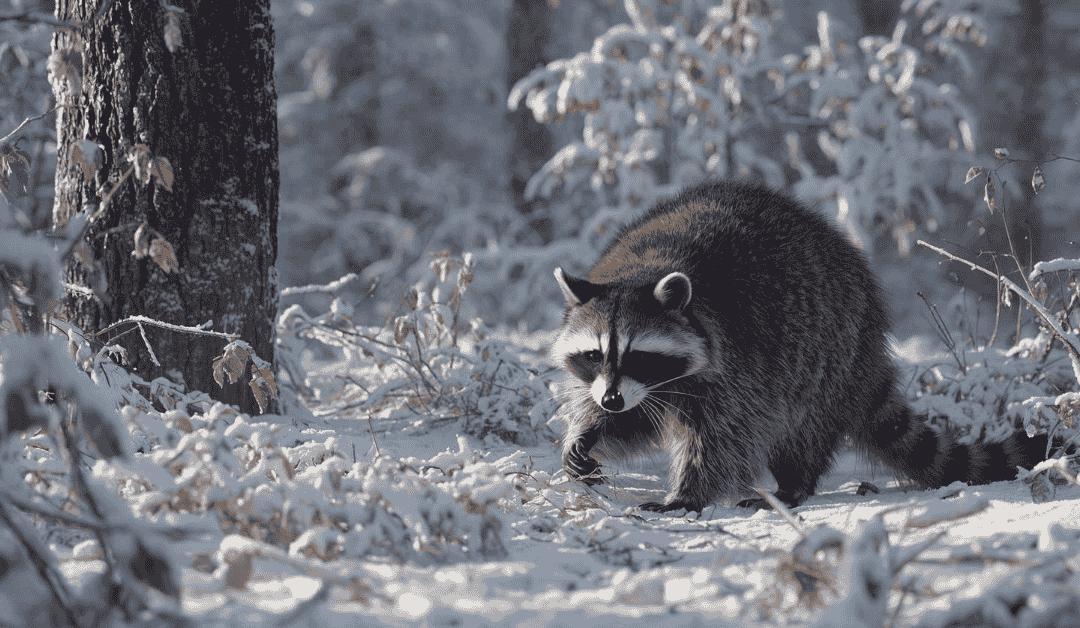
 Raccoons (Breeding/Denning February to June)
Raccoons are highly adaptable and may defend their dens aggressively. They are also a rabies vector species in North Carolina, making avoidance especially important, even if your pet is vaccinated. Known to dive into trash containers, raccoons are common in cities and urban areas. They typically den in secluded, elevated, or subterranean spaces to protect themselves from predators such as coyotes and domestic dogs. Dens in spaces like trees, chimneys, attics, crawl spaces, and abandoned buildings are common.
Fun fact: In folk stories, raccoons often outwit humans or other animals with their species’ intelligence and resourcefulness.
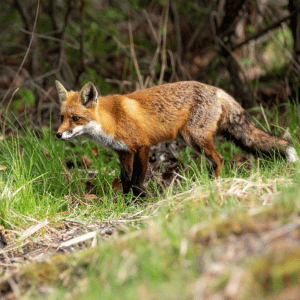 Foxes (Mating January to February; Spring Denning)
According to the North Carolina Wildlife Resource Commission, “Though both the red fox and the gray fox live in North Carolina today, the gray fox is the state’s only native fox species. Red foxes were brought here from Europe by fox hunters in the early 1700s.” Generally shy, foxes may be protective near dens. Daytime sightings increase during pup-rearing.
Fun fact: The most obvious sign of the presence of gray foxes is tracks that are similar to domestic cat tracks, except gray fox tracks have claw marks.
Practical Tips to Protect Dogs on Walks
Leash Control
Keep dogs on a short, sturdy leash, especially near wooded edges, creek beds, and tall grass. A tight leash reduces a dog’s ability to rush or investigate. Avoid retractable leashes, which allow too much distance between you and your dog.
Avoid Peak Wildlife Hours
Schedule walks after sunrise and before dusk, whenever possible. Many wildlife species in and around Durham are crepuscular (most active at dawn and dusk).
Stay Alert to Body Language
Avoid distractions on walks. Keep your phone away and your eyes peeled for wildlife, traffic, etc. Raised hackles, stiffening, freezing in place, intense staring, or sudden pulling can signal your dog senses something before you do. Trust your dog and your gut!
Create Distance, Not Drama
Most animals are naturally wary of humans and prefer to avoid conflict. By backing away slowly, you are providing the animal with the one thing it desires most: space. A sudden retreat or turning to run can trigger a “chase instinct” in many predators; therefore, it should be avoided. Standing your ground too aggressively might be interpreted as a challenge to territory or resources, so be careful. A slow, steady backward movement is considered a happy medium.
Vaccinations Matter
Rabies and leptospirosis vaccines are critical when walking in Durham and its environs. The CDC emphasizes that rabies is “nearly always fatal once symptoms appear,” underscoring the importance of prevention.
Helpful Tools for Safer Walks
- Hands-Free or Traffic Leash: Improves control and stability.
- Headlamp or Flashlight: Essential for early morning or evening walks to spot eye shine or movement.
- Noise Deterrents (whistle, keys, air horns): These tools may encourage wildlife to move away without escalation.
- Protective Gear: Teaching dogs to avoid snakes and, in high-risk areas, snake gaiters for humans can add protection.
- GPS Collar or ID Tags: In the rare event of a slip or escape, fast recovery matters.
Keep Durham Dogs and Walkers Safe During Mating Seasons
Wildlife encounters are a normal part of life in Durham, but most incidents are preventable and/or manageable with awareness, timing, and the right tools. Bull City Pet Care prioritizes safe routes, vigilant handling, and seasonal knowledge so dogs can enjoy their walks without unnecessary risk while in our care!
The Best Dog Walkers in Durham
Join the Bull City Pet Care family by contacting us via bullcitypetsitting@gmail.com or 919-740-7481. We offer dog walking, cat sitting, and specialty services. You can also get started by clicking this link to schedule your meet and greet.
We proudly serve the following areas of Durham: Downtown, Lakewood, Tuscaloosa, Old West Durham, Old North Durham, Northgate Park, Watts-Hillandale, Trinity Park, Duke Park, Erwin/LaSalle, North Durham, Southside, Croasdaile, Walltown, Braggtown, Historic East Durham, Hope Valley, and Forest Hills.
If you are seeking pet care services outside of the above areas, please visit Pet Sitters International or Pet Sitters Associates to find a professional pet sitter near you.

Melissa Lage is a board-certified canine massage therapist, Fear Free Certified Professional, and proud member of Pet Sitters International and Pet Sitters Associates. With a Ph.D. in Biology, Melissa brings a unique perspective to pet care, blending hands-on expertise with the latest research in animal behavior and health. As the owner of Bull City Pet Care, Melissa is dedicated to providing gentle, compassionate, and informed care to Durham pets and their families.